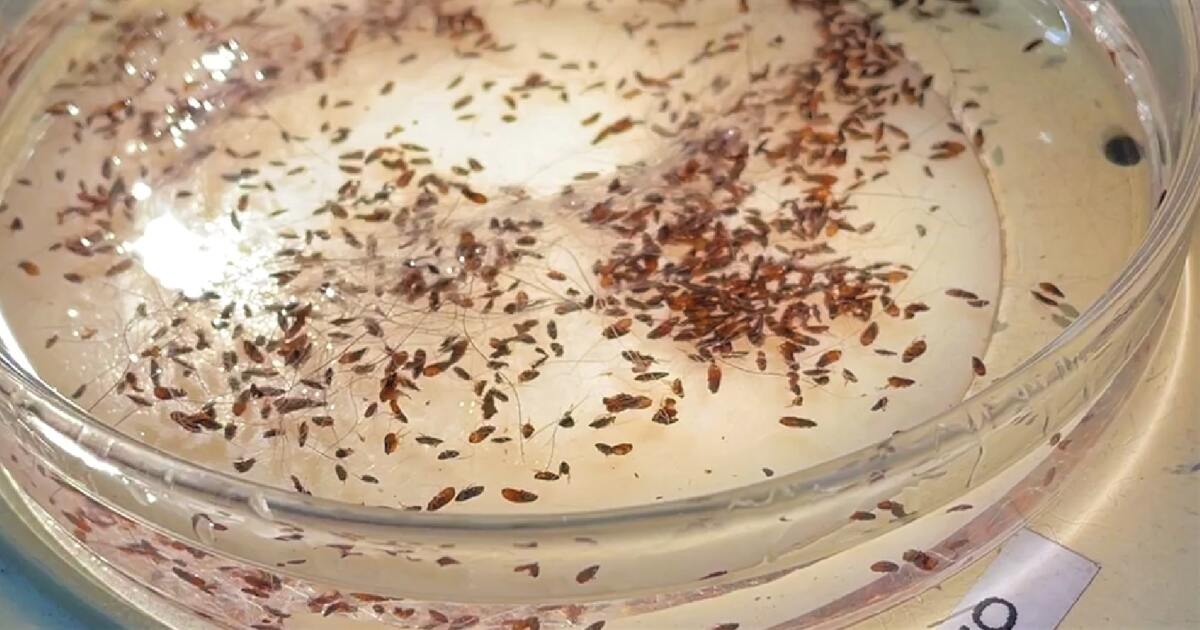
Los Angeles Flea Borne Typhus: A Public Health Crisis Unfolding
Los Angeles County is grappling with an alarming public health challenge as cases of Los Angeles Flea Borne Typhus have surged to unprecedented levels. In 2025, health officials reported a record 220 cases, marking the highest number ever documented in the county's history. This significant increase highlights a multi-year upward trend, sounding a critical alarm for residents and public health authorities alike. While flea-borne typhus might sound like a relic of the past, its resurgence in one of the nation's largest metropolitan areas demands immediate attention and a comprehensive understanding of its causes, symptoms, and most importantly, its prevention.
A Disturbing Trend: Los Angeles Flea Borne Typhus Cases Soar to Record Highs
The 2025 figures represent a stark escalation in the battle against flea-borne typhus in Los Angeles. To put it in perspective, the county saw 187 cases in 2024, which was a record at the time. By late August 2025, the number of reported infections had already surpassed the count for the same period in the prior year, signaling an accelerating crisis. Health officials had already braced for additional infections as the disease typically peaks during the late summer and fall months, aligning with increased outdoor activity and conducive environmental conditions for its carriers.
This escalating trend isn't sudden; it's a continuation of a broader increase observed since around 2010. Experts point to a complex interplay of environmental factors that foster the proliferation of rodents and fleas, central to the disease's spread. Accumulations of trash, organic debris, and readily available food sources create ideal habitats for rats, mice, and other host animals. A critical factor in this recent surge, particularly in localized clusters in areas like Central Los Angeles and Santa Monica, appears to be the growing number of homeless encampments. These encampments, by their nature, often attract rodents and their fleas, inadvertently creating hotspots for disease transmission. Understanding the multifaceted challenges presented by this situation is crucial for effective public health intervention. For more detailed insights into this connection and practical prevention strategies, we recommend reading our related article: Homeless Encampments Linked to LA's Typhus Surge: Prevention Tips.
What Exactly is Flea-Borne Typhus? Understanding the Disease and Its Severity
Flea-borne typhus, also known as murine or endemic typhus, is caused by the bacterium Rickettsia typhi. Unlike many other infectious diseases, it is not transmitted directly from person to person. Instead, it spreads to humans through contact with infected fleas, typically carried by a variety of animals including:
- Rodents: Primarily rats and mice are common carriers.
- Opossums: These marsupials can also host infected fleas.
- Stray or Outdoor Cats: Feral and outdoor cats frequently come into contact with infected fleas and can bring them into closer proximity to human dwellings.
- Pets: Even indoor pets can occasionally pick up infected fleas if they have outdoor access or contact with other animals.
Infection usually occurs when a person scratches a flea bite, inadvertently rubbing flea feces (which contain the bacteria) into the bite wound, a cut on the skin, or mucous membranes like the eyes. The bacteria then enter the bloodstream, initiating the disease.
Recognizing the Symptoms and Seeking Timely Treatment
Symptoms of flea-borne typhus typically manifest 7 to 14 days after exposure and can range in severity. Common indicators include:
- High Fever: Often sudden onset and persistent.
- Headache: Severe and often accompanied by chills.
- Chills and Muscle Aches: Generalized body aches and shivering.
- Nausea or Vomiting: Gastrointestinal distress can occur.
- Rash: A characteristic rash may appear on the chest, sides, or back, though it doesn't always develop and notably spares the palms and soles of the feet.
While some cases can be mild, the experience in Los Angeles County over the past decade highlights the disease's potential for severe outcomes. A staggering 86% of reported cases required hospitalization, underscoring the serious nature of these infections. Complications, though rare, can be severe and include meningitis (inflammation of the membranes surrounding the brain and spinal cord) or endocarditis (inflammation of the heart's inner lining). This high hospitalization rate is a critical indicator of the public health burden imposed by this disease. To delve deeper into the risks and the specific impact on hospitalization rates, please refer to our dedicated article: LA Flea-Borne Typhus: Understanding the Risks and Hospitalizations.
The good news is that flea-borne typhus responds exceptionally well to antibiotics, with doxycycline being the preferred treatment for both adults and children. Prompt diagnosis and initiation of treatment are crucial for preventing severe complications and ensuring a full recovery.
Proactive Protection: Essential Prevention Strategies Against Los Angeles Flea Borne Typhus
Preventing Los Angeles Flea Borne Typhus requires a multi-pronged approach that combines personal vigilance with community-wide sanitation efforts. Dr. Muntu Davis, Los Angeles County Health Officer, and other health officials have emphasized several key preventive measures:
- Year-Round Flea Control for Pets: For pet owners, this is paramount. Consult your veterinarian for recommended flea control products and administer them consistently throughout the year, not just seasonally. Even primarily indoor pets can be at risk, especially if they have occasional outdoor access or interact with other animals.
- Avoid Contact with Wild Animals: Steer clear of wild animals such as opossums, stray cats, rats, and mice, as well as their known habitats. Do not attempt to feed or pet them.
- Secure Food Sources: Preventing rodents and fleas from thriving in your vicinity starts with cutting off their food supply.
- Keep garbage tightly sealed in robust bins.
- Avoid leaving pet food or water bowls outdoors, especially overnight.
- Store bulk pet food, birdseed, and other edibles in sealed, rodent-proof containers.
- Maintain Clean Yards and Homes: Eliminate potential harborage for rodents and fleas.
- Clear away yard clutter, such as piles of wood, debris, and overgrown vegetation.
- Trim back bushes and trees that touch your house, as these can serve as rodent bridges.
- Seal any cracks or openings in your home's foundation, walls, or roof that could allow rodents entry.
- Regularly inspect your home for signs of rodent activity and address any infestations promptly and safely.
- Personal Hygiene: After spending time outdoors, especially in areas with known rodent or flea activity, wash your hands thoroughly. If you get a flea bite, avoid scratching it excessively to prevent breaking the skin and introducing bacteria.
Beyond individual actions, addressing the broader environmental factors that contribute to the typhus surge is critical. This includes community-level efforts to manage waste, improve sanitation in public spaces, and provide resources for vulnerable populations, like those experiencing homelessness, to reduce exposure risks for everyone.
Conclusion: Safeguarding Public Health in Los Angeles
The record-breaking number of Los Angeles Flea Borne Typhus cases in 2025 serves as a stark reminder of the persistent public health challenges facing our communities. While the situation is concerning, understanding the disease, its transmission, and robust preventive measures empowers residents to protect themselves and their families. By diligently practicing flea control for pets, maintaining clean environments, and minimizing contact with wildlife, we can collectively work to reverse this alarming trend. Staying informed and proactive is key to safeguarding public health and ensuring Los Angeles remains a safe and healthy place for all.