Los Angeles Flea-Borne Typhus: Understanding the Risks and Hospitalizations Amid a Record Surge
Los Angeles County is grappling with an escalating public health crisis as cases of flea-borne typhus reach unprecedented levels. In 2025, the county documented a staggering 220 cases, marking the highest number ever recorded and signaling a concerning multi-year upward trend. This alarming surge, significantly impacting the region, necessitates a comprehensive understanding of the disease, its risks, and crucial preventive measures. Public health officials are urging residents, particularly pet owners, to be vigilant and informed about this preventable, yet potentially severe, illness. The situation in Los Angeles highlights complex interactions between urban environments, public health challenges, and the need for proactive community engagement.
What Exactly is Flea-Borne Typhus?
Flea-borne typhus, also known as murine typhus or endemic typhus, is an infectious disease caused by the bacterium
Rickettsia typhi. While generally not as widely known as some other vector-borne illnesses, its impact in specific urban settings like Los Angeles is becoming increasingly pronounced.
How it Spreads
Unlike many common infections, flea-borne typhus is not transmitted directly from person to person. Instead, it relies on an indirect route involving animals and their fleas. The primary carriers of infected fleas are rodents such as rats, mice, and opossums. Stray or outdoor cats, and sometimes even household pets, can also carry these infected fleas.
The transmission to humans typically occurs in one of two ways:
- Scratching a Flea Bite: When an infected flea bites a human, it often defecates simultaneously. If a person scratches the bite, they can inadvertently rub the flea feces containing the bacteria into the open wound.
- Mucous Membrane Contact: Flea feces can also be rubbed into other cuts or abrasions on the skin, or even into mucous membranes like the eyes, leading to infection.
Understanding this transmission cycle is crucial for effective prevention, as it focuses efforts on controlling flea populations and their animal hosts.
Recognizing the Symptoms
Symptoms of flea-borne typhus typically appear 7 to 14 days after exposure. While many cases can be mild, particularly if treated early, the disease can also manifest with significant severity. Common symptoms include:
- High Fever: Often sudden onset and persistent.
- Headache: Severe and persistent.
- Chills: Accompanied by fever spikes.
- Muscle Aches: Generalized body pain.
- Nausea or Vomiting: Gastrointestinal distress can occur.
- Rash: A characteristic rash may develop, often on the chest, sides, or back. It's important to note that the rash does not always appear and typically spares the palms and soles of the feet.
Given these non-specific symptoms, diagnosis can sometimes be challenging, often mimicking other viral infections. Therefore, awareness and early medical consultation are vital, especially for individuals residing in high-risk areas like Los Angeles.
The Alarming Rise of Flea-Borne Typhus in Los Angeles
The recent surge in
Los Angeles Flea Borne Typhus cases is not an isolated incident but rather a continuation of a troubling trend that has been observed for over a decade. In 2024, the county recorded 187 cases, which was a record at the time. By late August 2025, officials had already counted 106 cases, surpassing the figures for the same period in the prior year and leading to the eventual record of 220 cases by year-end. This consistent upward trajectory, with cases typically peaking in late summer and fall, signals a deeply entrenched public health challenge.
Connecting the Dots: Homelessness and Environmental Factors
A significant factor contributing to this increase appears to be the expansion and density of homeless encampments across the county. These encampments, while providing rudimentary shelter for vulnerable populations, unfortunately also create environments highly conducive to the proliferation of rodents and fleas. Accumulated trash, organic debris, and readily available food sources attract rats, mice, and opossums, which serve as primary hosts for infected fleas. This creates a cycle where:
- Unsanitary conditions attract rodents.
- Rodents carry infected fleas.
- Fleas transmit the bacteria to humans living or working in close proximity.
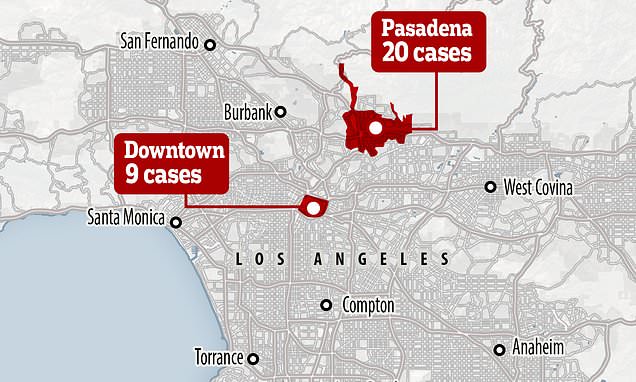
Localized clusters of cases have been particularly noted in areas like Central Los Angeles and Santa Monica, regions with significant concentrations of unhoused individuals. Public health reports consistently link the rise in flea-borne typhus to these environmental factors that support rodent and flea populations. This underscores the intricate connection between socio-economic challenges, urban density, and public health outcomes. To understand more about this critical link, consider reading our article on
Homeless Encampments Linked to LA's Typhus Surge: Prevention Tips.
Beyond encampments, general urban conditions like insufficient waste management, overgrown vegetation, and even climate change (potentially extending flea breeding seasons) can contribute to a larger rodent and flea presence, increasing the overall risk for all residents.
Severity, Hospitalizations, and Effective Treatment
While some infections can be mild, the data from Los Angeles County reveals a more serious picture. Over the past decade, approximately 86% of reported flea-borne typhus cases in LA County required hospitalization. This high rate underscores the potential severity of the illness and the importance of timely medical intervention. Complications, though rare, can be severe and include conditions such as meningitis (inflammation of the membranes surrounding the brain and spinal cord) or endocarditis (inflammation of the inner lining of the heart).
The good news is that flea-borne typhus responds very well to antibiotics. Doxycycline is the treatment of choice, effective for both adults and children, and its efficacy is significantly enhanced when started promptly after symptom onset. This makes early diagnosis and quick access to medical care absolutely critical to prevent severe outcomes and reduce hospitalization rates. If you suspect you or someone you know might have been exposed, seeking immediate medical attention is paramount. Our article,
Los Angeles Faces Record Flea-Borne Typhus: What You Need to Know, provides further insights into the immediate steps you should take.
Protecting Yourself and Your Community from Flea-Borne Typhus
Given the significant risks associated with
Los Angeles Flea Borne Typhus, prevention is undeniably the most effective strategy. Public health officials, including Los Angeles County Health Officer Dr. Muntu Davis, have issued clear recommendations for residents. Taking these measures seriously can drastically reduce your risk of exposure.
Practical Prevention Tips:
- Year-Round Flea Control for Pets: If you have pets, especially those that spend time outdoors, consult your veterinarian for recommended year-round flea control products. Regular treatment is essential, as even indoor pets can be exposed if fleas are brought into the home.
- Avoid Contact with Wild Animals: Steer clear of wild animals such as rodents, opossums, and stray cats, as well as their known habitats. Do not feed wild animals or leave food sources accessible to them.
- Secure Food Sources:
- Ensure garbage cans are tightly sealed to prevent rodents from accessing food waste.
- Avoid leaving pet food or water bowls outdoors, especially overnight.
- Store bulk pet food in rodent-proof containers.
- Maintain Clean Yards and Homes:
- Eliminate potential harborage for rodents and fleas by regularly clearing overgrown vegetation, brush piles, woodpiles, and general clutter from your yard.
- Seal cracks and openings in your home's foundation, walls, and around pipes to prevent rodents from entering.
- Trim trees and shrubs away from your house, as branches can provide access points for rodents.
- Keep attics, basements, and crawl spaces clean and free of debris.
- Use Insect Repellents: When spending time in areas known to have fleas or rodents, consider using EPA-approved insect repellents that are effective against fleas.
- Be Mindful in High-Risk Areas: If you live or work near areas with homeless encampments or high rodent activity, be extra vigilant with personal hygiene, pet protection, and environmental cleanliness.
These measures, when adopted collectively by individuals and communities, form a robust defense against the spread of flea-borne typhus.
Conclusion
The record-breaking surge in
Los Angeles Flea Borne Typhus cases is a serious public health concern that demands attention and action. While the illness is treatable with antibiotics, its high hospitalization rate in LA County underscores the potential for severe outcomes. The complex interplay of environmental factors, urban challenges, and specific vulnerabilities creates an environment ripe for the spread of the disease. By understanding how the bacterium spreads, recognizing its symptoms, and diligently implementing preventive measures – from responsible pet care to maintaining clean living spaces and securing food sources – residents can significantly mitigate their risk. Public health warnings are not to be taken lightly; they are a call to collective responsibility, urging everyone to play a role in protecting themselves and the broader Los Angeles community from this escalating threat.